With an AI ad generator, the subscription is the cheapest part

Key takeaways
An AI ad generator like Higgsfield or Magnific gives you access to many video models and a monthly balance of credits. It doesn't give you a finished ad. AI rarely gets a shot right on the first try, and every re-roll spends credits whether you keep the clip or not, so the cost of one usable ad depends on how many attempts it takes. The rest of the work is choosing the right model for each format, keeping a talking avatar's voice and lip sync consistent across clips, and editing and checking the result. A tool alone suits someone with the time, the skill and a clear brief. Otherwise, compare the price of finished, checked AI video ads with what all those attempts cost you.
The tool is the cheapest part
If you've seen ads for AI tools lately, you know the pitch. An AI ad generator shows a polished video next to a tiny price, and an agency's quote for AI video ads starts to look hard to justify.
I see it from both sides, because these tools are what we use to make AI video ads for our clients. We've used Higgsfield and Magnific, and we've tried pretty much every video model inside them. The subscription is the cheapest part of an AI ad. What you pay for, in your own time or in an agency's fee, is everything between the first generation and a clip you'd be happy to run.
That doesn't make the tools a bad buy, and for some brands a tool on its own is the right choice.
A price per video isn't the price of a usable ad
Tool ads often quote a price per video. That number is the cost of one generation, and it leaves a lot out.
- It assumes the first attempt is usable. In my experience, AI rarely gives you the output you expected on the first try.
- It treats one clip as an ad. Most video ads need a hook, several shots, a voiceover, music, captions and an edit that holds them together.
- It doesn't count your time. Someone still has to write the prompts, watch every attempt and decide which one to keep.
The number that matters is the cost of one usable ad, counting the attempts you threw away and the hours it took to get there. I've shared what a one-minute AI ad costs us on average in another article. This one explains why that number moves so much from one ad to the next.
What an AI ad generator gives you
AI ad generator is a loose label, and a lot of different tools use it. The two we know best, Higgsfield and Magnific, are aggregators. An aggregator gives you one subscription and one balance of credits, and through it you can use video and image models built by other companies. Magnific says it offers more than 30 video models from multiple providers, and Higgsfield's video generator page names Veo, Seedance, Kling and Wan.
We've tried pretty much all the well-known ones, including Kling, Veo, Seedance, Wan and Hailuo, and every one of them has its pros and its cons. An aggregator lets you switch between them from one shot to the next without paying for a separate subscription to each one.
What an aggregator can't give you is the judgment to choose. The model list won't tell you which one suits your ad, how many tries a shot will take or how to make ten separate clips look like one video. If the format is new to you, our AI video ads guide covers the basics.
How credits and re-rolls add up
Every AI ad generator we've used runs on credits. Your plan gives you a balance, and each generation spends some of it. Magnific's help pages say each action costs credits based on the tool, the model and how complex the output is, and that video is the most expensive thing you can make in credits. A longer clip, a higher resolution or audio generated with the clip all push the cost up. Plan credits you don't use expire at the next refresh.
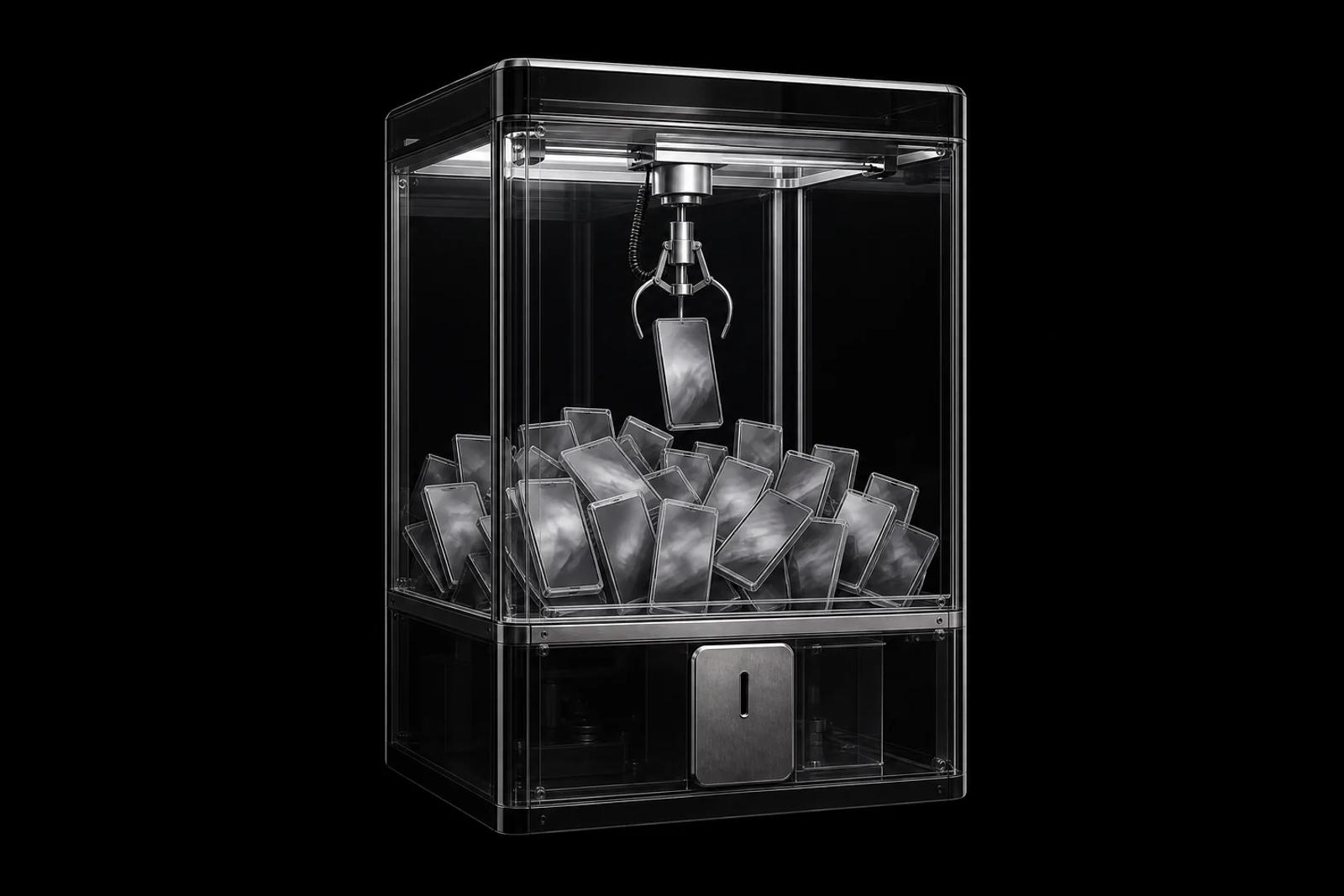
A re-roll is a fresh generation of the same shot, usually because the last one came back wrong. A hand bends the wrong way, the product changes shape, or the motion works and the face doesn't. Every re-roll costs as much as the first try, whether you keep the clip or not, so the regenerations soak up a lot of your credits.
One usable clip costs the credits for a single try, multiplied by the number of tries it took.
Take a made-up example. If an ad needs six shots and each one takes three tries, you've paid for eighteen clips to keep six. That's before the voiceover, the music and any changes you ask for after the first cut.
So you always have to strike a balance between the credits a model costs and the re-rolls it needs. A model that costs fewer credits per clip isn't a saving if it needs more tries to get the shot right. A pricier model can work out cheaper when it gets there in fewer attempts. You only learn which is which by using them on real ads, shot after shot.
Magnific's advice is to draft at lower resolutions and switch to higher ones for the final output, because higher resolution costs more credits. Our rule is three tries. If a line still isn't right after three generations, we stop spending credits on it and change the script or cut the line, because we adapt the script to what the models can generate. And if we can fix a problem without generating anything, by trimming a take or fixing it in the edit, we do that first.
How we make a talking AI avatar ad
A talking AI avatar is a generated person who reads your script to camera. We use avatars as presenters, and we avoid passing them off as real customers describing results they never had. For an avatar ad to work, the face, the voice and the mouth all have to line up in every clip.
- Script
We break the approved script into the short clips the ad needs.
- Voice
ElevenLabs voices the whole script with one voice, so the accent and pitch match from the first line to the last.
- Picture
Kling 3.0 generates the presenter's clips, and we re-roll each clip on its own until it's right.
- Lip sync
We match each clip's mouth movement to its part of the voiceover.
- Post-production
We sync the clips, voice, captions and music in the edit and export the sizes you need.
There's a lot of work required to make it all work together, because you don't want any clip to drift, even slightly, in accent, pitch or voice. So we separate the variables. The picture, the voice and the lip sync each get made on their own, and we bring them together in post-production. When one piece goes wrong, we can fix that piece without regenerating the others.
Before the ad goes live, we check the voice and the lip sync on every talking shot, along with everything else in our AI ads checklist.
How we make an animated ad
Animation is much easier, because you don't need the speech. You just need the animations to look accurate and consistent from one shot to the next.
- We generate the first frame of each shot as a still image in Nano Banana, Google's image model.
- We make style sheets, reference images that fix how the characters, colors and setting look, so every shot belongs to the same ad.
- We pick the video model that fits the job. With no speech to sync, the choice comes down to the look you want, how long each shot runs and the budget.
- We animate each first frame into a clip and re-roll the clips that come back wrong.
- We cut the clips together with music, captions and any voiceover the script calls for, then export each size.
The first frame does a lot of the work. When a video model starts from a still you've already approved, it only has to add the motion instead of inventing the whole scene.
I now edit many of our ads with Claude, and I explain that setup in how I edit our ads with an agentic video editor.
Choosing a model for AI video ads
No single model wins every job, so we choose by format and sometimes by shot. These are the models we reach for most, and what each one is good at in my experience.
- Kling 3.0, from Kuaishou, is what we generate talking avatars with.
- Seedance, from ByteDance, is the one I'd pick for animation that needs to feel seamless and artistic. It also gives you a lot of allowance on how long each clip can run.
- Hailuo, from MiniMax, and Wan, from Alibaba, are the quicker and cheaper options. If the turnaround matters more than the polish, they'll usually get you there.
- Nano Banana, Google's image model, makes the first frames and style sheets that the video models start from.
- ElevenLabs does the voiceover, made separately from the video so the voice stays the same in every clip.
These models get new versions often, so treat this list as a starting point. Test each new release on a real shot from your next ad before you trust it with a whole batch.
Who handles what in AI ad production
Here's the same job split by who does each part. The middle column is what you take on with a tool alone. The last column is what you get when a production partner like us makes the ad.
| Part of the job | With an AI ad generator | With a production partner |
|---|---|---|
| Brief and script | You write them | You bring them to AI Creative Production, or we write them in Creative Strategy |
| Model choice | You test models until one fits each shot | We choose the model for the format and the shot |
| Re-roll budget | Every failed attempt comes out of your credits | Our production fee covers the platform credits, re-rolls included |
| Voice consistency | You keep one voice steady across every clip | We voice the script separately and sync it in post-production |
| Post-production | You edit, caption and export every size | We edit, caption and deliver the agreed formats |
| QA and revisions | You check every frame and redo what breaks | We check the ad against your brief and revise within the agreed scope |
| Your time | Prompting, watching attempts and re-rolling | Briefing us and giving feedback on the cuts |
On the monthly bill, the tool wins easily. A fair comparison adds the hours you spend, the credits you burn on re-rolls and the ads that never make it out of the tool.
When a tool alone is enough
A tool on its own is the right call when three things are true.
- You have the time. Making AI video means hours of prompting, watching attempts and re-rolling, and those hours come out of running your business.
- You have the skill, or someone on your team does. That means knowing which model suits a shot, spotting a warped hand or a drifting voice, and editing the clips into an ad.
- You have a clear brief. A tool will make whatever you ask for, so the creative brief and the ad script have to be right before you spend a credit. Writing them is a creative strategist's job, not a media buyer's.
If one of the three is missing, the credits get more expensive, because you'll spend them finding out what you wanted. That's the point to compare the price of finished ads with the price of all those attempts.
You can also split the work. If you're good at scripts but short on production time, write the script yourself and hand off only the production. If your ads need real people rather than AI, our guide to UGC agency vs DIY covers the same choice for creators.
Getting finished AI video ads from us
Our AI Creative Production service is for brands that would rather pay for finished ads than for credits. You bring the approved concept and script. We choose the models, handle the re-rolls, the voice and the lip sync, edit the ad and check it against your brief. Our fee covers the AI platforms we use, and our prices are on the services page.
If you need offer ads for Black Friday, our guide to last-minute Black Friday ads covers what you can still make in time.
If you need the concepts and scripts too, Creative Strategy brings the research, concepts, scripts and production together. To compare that with hiring a strategist yourself, see what a creative strategist costs.
I'm personally involved in every account, leading the day-to-day strategy and major parts of the execution, with no account manager in between. We can also join your Slack or WhatsApp. You can see finished work in our ad portfolio, or book a call and bring the ad you're planning to make.
Putting it into practice
- Compare a tool with an agency on what one usable ad costs, counting the attempts you throw away and your own hours.
- Choose the model for each format, and keep the picture, the voice and the lip sync separate until you bring them together in post-production.
- Use a tool alone when you have the time, the skill and a clear brief. If one of those is missing, get a quote for finished ads before you buy more credits.