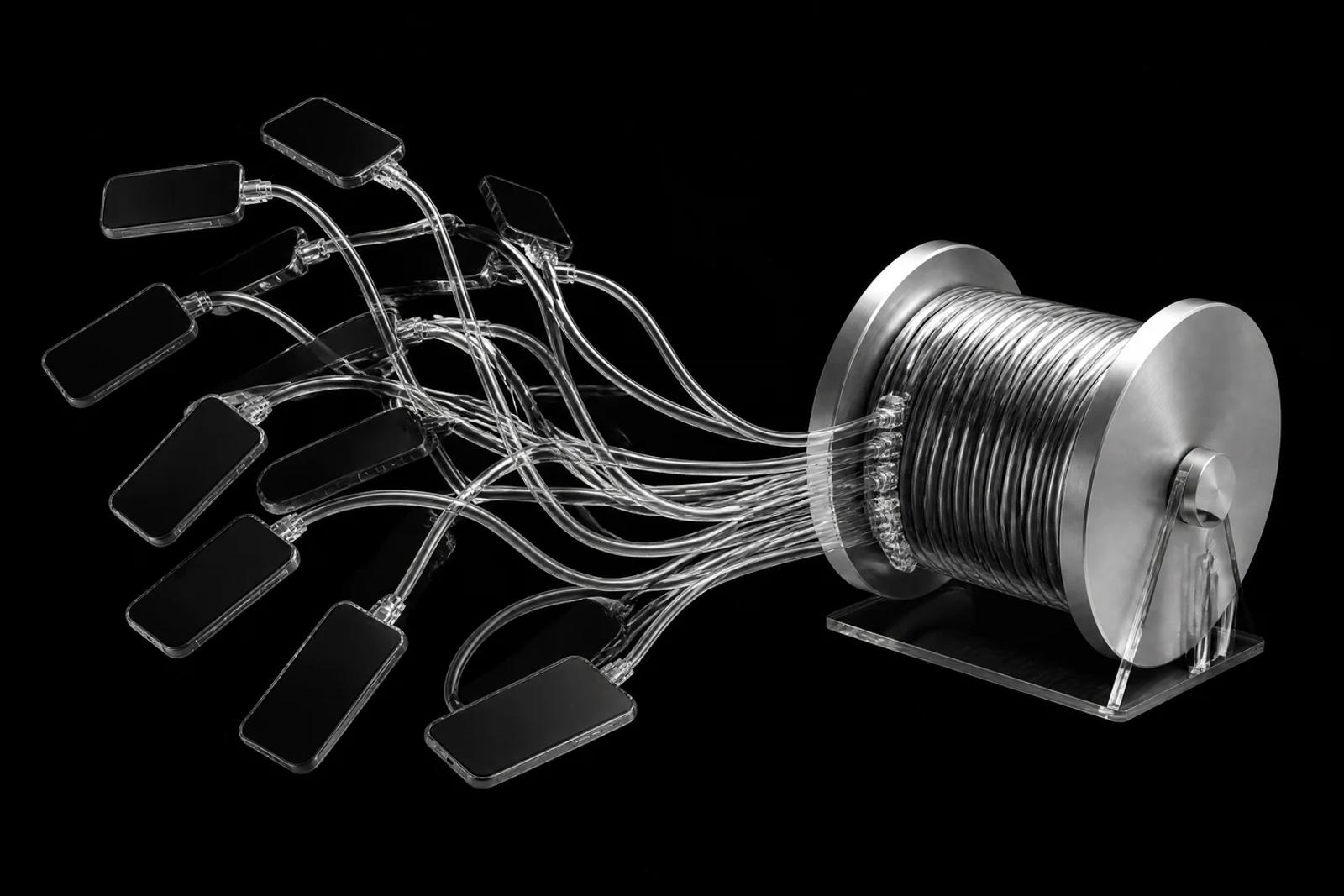

Managing UGC creators yourself means nine steps for every video

Key takeaways
Managing UGC creators yourself usually stalls for one reason: your team runs out of capacity. Every creator needs vetting, a brief, usage rights, shipping, a review against the brief, revisions, delivery and payment, and no two creators work the same way. DIY works at low volume, when one person has time to own it. Once volume grows, a UGC agency can take on that load, and you keep three jobs: paying the creators, reviewing the footage and running the ads.
Sending the product is the easy part
When brands first work with UGC creators, they usually think it's as easy as reaching out to a creator, sending the product and getting the video back. If that were the whole job, paying a UGC agency to do it would look like paying someone to send a few messages.
For one video, that's roughly how it goes. Very soon, though, brands learn there needs to be a workflow, with SOPs just to manage the creators, because not every creator works the same way.
Nothing has to go wrong for DIY to stall. There will always be a bottleneck, because your team has limited capacity and goals it needs to hit. If you're in the back-and-forth with creators, or with the agencies that represent them, expect delays and a lot of messages. You typically need a dedicated person just to manage the creator pipeline and check that each video is what the brief intended.
What managing UGC creators involves
Every creator video goes through the same nine steps. None of them is hard on its own, but you run all nine for every creator you hire.
- Find a creator and vet them, looking past follower counts at how they talk on camera and whether they suit the product.
- Write a creative brief and script that say what the video must show and say.
- Agree the rights before anyone films: where the video can run, for how long and whether you can edit it.
- Ship the product and make sure it arrives.
- Let the creator film on their own schedule, and chase any delays.
- Review the footage against the brief.
- Send revision notes, and agree a reshoot if the edit can't fix it.
- Edit the raw files into finished UGC ads in every size you need.
- Pay each creator on the terms you agreed.
The rights step needs the most care. Each video needs usage rights that match how you'll use it, whether that's organic posts, paid ads or whitelisting. Whitelisting means running ads through the creator's own handle, which Meta calls partnership ads. Meta says you need the creator's permission, and they can revoke it at any time. Its guide for creators also tells them to negotiate for fair pay for any extra usage rights, so expect each extra use to cost more.
UGC agency vs DIY: who does what
When we manage your creators, most of the pipeline moves to us, but you still confirm each creator and review the footage.
| Part of the job | Managing it yourself | With Fifth Dimension |
|---|---|---|
| Finding and vetting creators | You search, message and vet each one | We source creators for the brief, and you confirm the fit |
| Briefs and scripts | You write one for every creator | We write the scripts and briefs |
| Usage rights and contracts | You negotiate organic, paid and whitelisting use | We negotiate them and record them in each creator contract |
| Product and filming | You ship the product and chase every shoot | We agree samples with each creator and coordinate filming |
| Review and revisions | You check every video against the brief | We check the footage against the brief, then you review it |
| Editing | You edit the footage or hire an editor | We edit the footage into finished ads |
| Paying creators | You pay each creator | You pay each creator directly |
| Running the ads | You or your media buyer | You or your media buyer |
If nobody on your team edits video, that's a second hire, and what a creative strategist costs covers what editors cost.
When DIY works, and when it starts to slip
Managing UGC creators yourself works when the volume is low and someone on your team has time to own it. For a few videos around a launch, one person with a written workflow and a standard rights agreement can handle it. Start well before a big sale, though, because creators get booked up, and you can still make last-minute Black Friday ads without new creators.
The pressure comes from volume. Ads wear out once the same people have seen them too often, so an account keeps needing fresh videos to beat creative fatigue. Several creators saying one message in their own words also give you real variations, as our guide to creative concepts vs variations explains. Either way, you end up with more creators to manage.
Once you hit a certain volume, you'll see the signs:
- You're playing catch-up with creators instead of planning the next batch.
- You keep second-guessing whether you missed a step, a file or a payment.
- Footage comes back off-brief, and there's no time to send it back.
- Nobody can say which rights you agreed with which creator.
At that point, either give the pipeline to one person full time or hand it to a UGC agency. The same choice comes up in AI production, between an AI ad generator and an agency.
What we take off your plate
We typically absorb all of that operational load. Our UGC Management service covers sourcing, scripts and briefs, contracts, usage rights, filming and editing. The only things you'll be worrying about are paying the creators, reviewing the footage and running the ads. If you haven't decided who runs the ads, see how a creative strategist and a media buyer split the work.
We work with a vetted network of creators, which gives us access to top-tier creators when a brand needs them. I'm personally involved in every account, leading the day-to-day strategy and major parts of the execution, with no account manager in between. We can also join your Slack or WhatsApp.
You pay creators directly, so you always see what each one costs. Our guide to AI UGC vs real creators covers what creators charge, and our management fee per creator is on the services page. If your creator pipeline is starting to slip, book a call and we'll go through it together.
Putting it into practice
- Before you compare costs, count the steps: every UGC creator needs vetting, a brief, rights, a review and a payment.
- If you keep it in-house, give one person the pipeline, a written workflow and a standard rights agreement.
- Bring in a UGC agency once you're catching up with creators instead of planning the next batch.